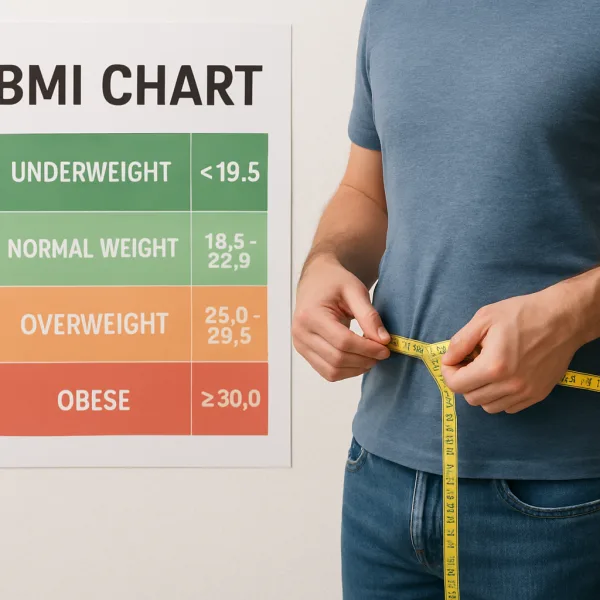
7 Common BMI Mistakes (And Why Your Number Might Be Wrong)
Muscle mass, ethnicity, age — the factors that make BMI unreliable and what to use instead.
Mistake 1: Treating BMI Like a Diagnosis
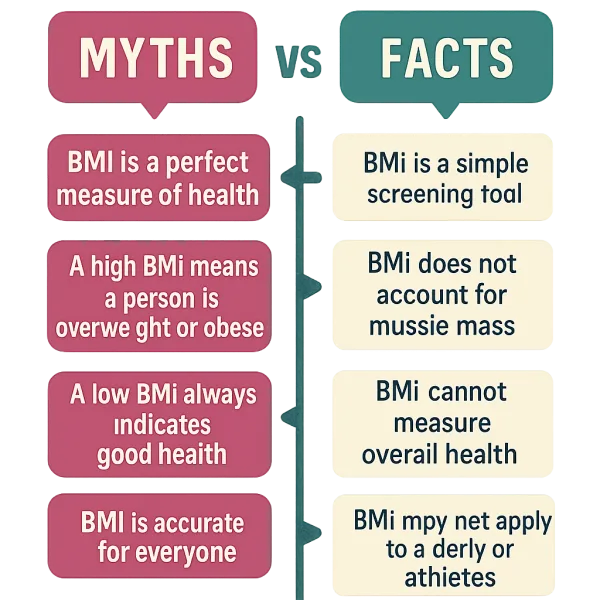
BMI is a screening tool, not a diagnosis. It flags people who might be at elevated risk — nothing more. A BMI of 28 does not mean you are unhealthy. It means a doctor might want to check your blood pressure, cholesterol, and blood sugar. Those tests are the real indicators.
What The WHO Actually Says
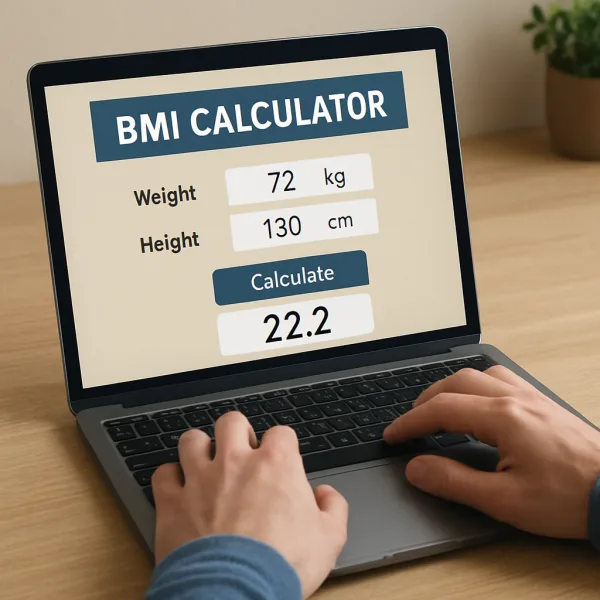
The WHO itself states that BMI should be used alongside waist circumference, blood lipids, and activity level for any meaningful assessment.
Mistake 2: Ignoring That BMI Doesn't Distinguish Muscle from Fat
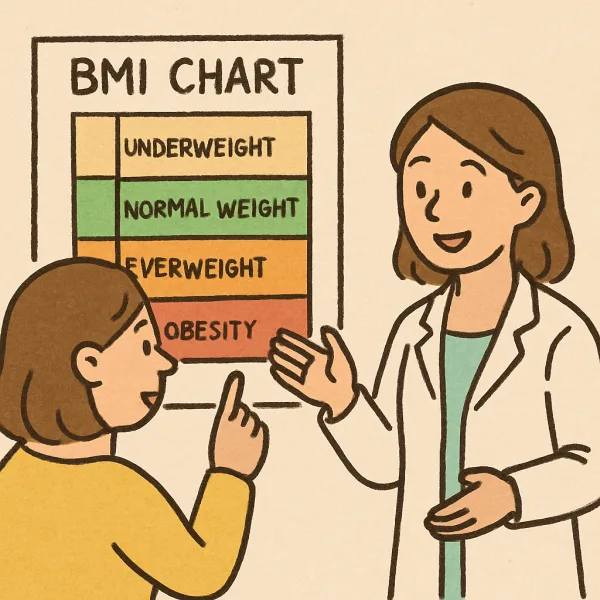
Muscle is denser than fat. A 5'10" rugby player at 220lb has a BMI of 31.5 — officially "obese". A 5'10" couch-bound smoker at 185lb has a BMI of 26.5 — "overweight". The rugby player is far healthier. Use our BMI calculator as a starting point, then check body fat percentage with our body fat calculator.
Mistake 3: Assuming Healthy BMI Ranges Are Universal
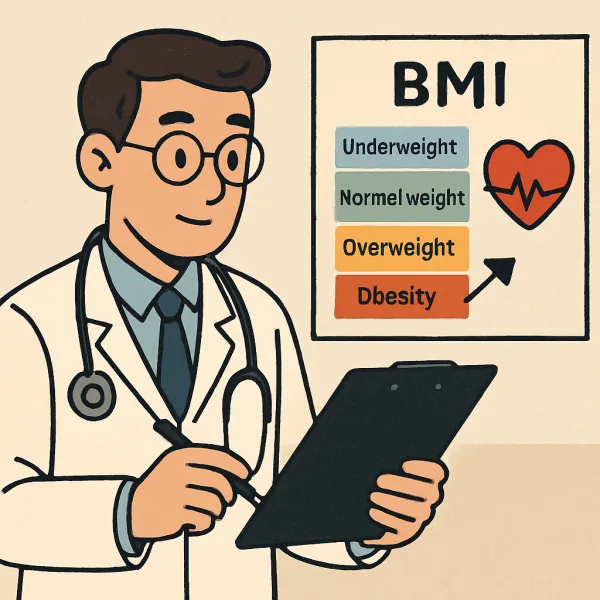
The standard 18.5–24.9 range was derived from data on European adults. Multiple studies show it doesn't fit all ethnicities equally:
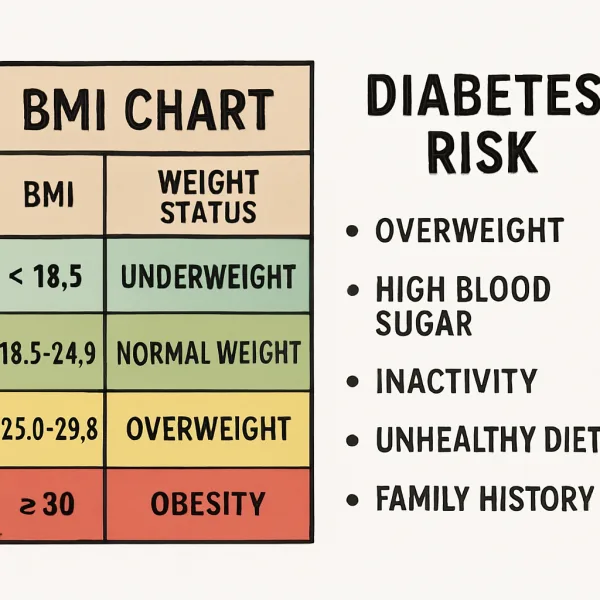
- South Asian populations develop type 2 diabetes and heart disease at lower BMIs. The NHS recommends a cut-off of 23.0 rather than 25.0 for overweight.
- East Asian populations show similar patterns; some Japanese guidelines use 23 as overweight.
- Pacific Islander populations often have higher lean body mass; the healthy ceiling may be closer to 26.
- Black individuals tend to have higher bone density and muscle mass, so a BMI of 26 may be metabolically healthier than the number suggests.
Mistake 4: Using BMI on Children Like Adults
Children and teenagers use BMI-for-age percentiles, not fixed cut-offs. A 10-year-old with a BMI of 19 would be "normal" for an adult but potentially overweight for their age group. The CDC publishes age-and-sex-specific growth charts. Never apply adult BMI to anyone under 18.

Mistake 5: Forgetting BMI Gets Less Accurate with Age
Adults lose muscle mass steadily after age 40 (about 1% per year on average). An 80-year-old might have a "healthy" BMI of 22 but very little muscle and high visceral fat — a much riskier profile than the number suggests. Grip strength and waist circumference become more useful metrics in later life.
Mistake 6: Measuring Incorrectly
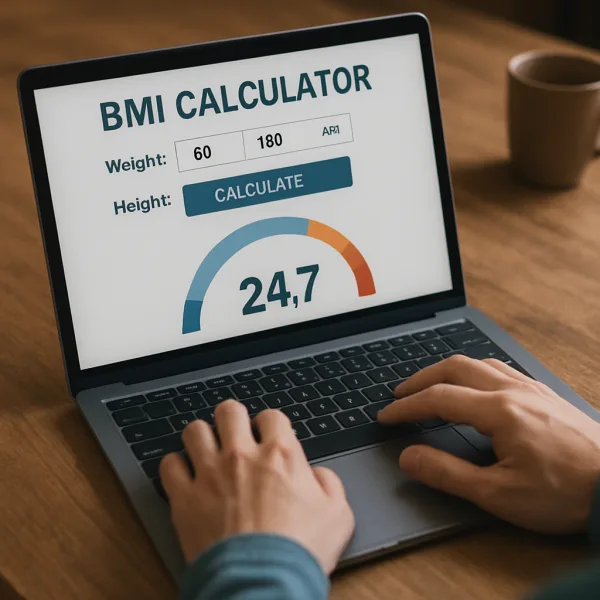
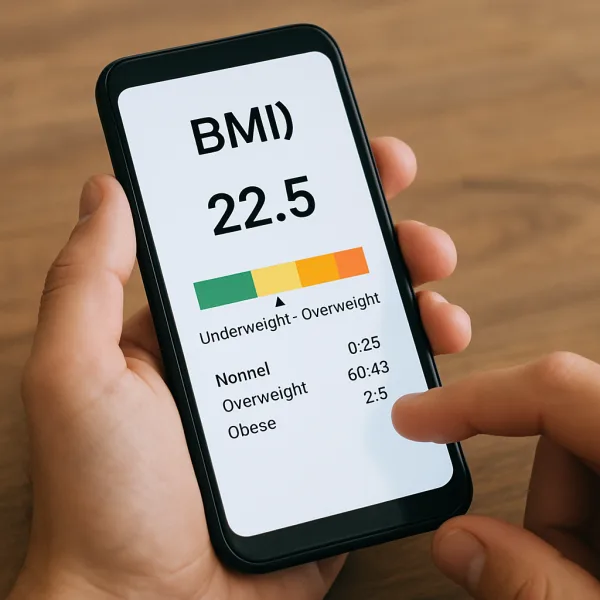
Small input errors produce big BMI swings:
- Weight yourself first thing in the morning after the bathroom but before eating. Daily variation can be 3–5 lb / 1.5–2 kg.
- Measure height without shoes, standing straight against a wall. Most adults lose 0.5–1 inch of height by evening due to spinal disc compression.
- Use metric units if possible — fewer conversion errors. Our calculator handles both.
Mistake 7: Panicking at a Single Number
BMI of 25.1 vs 24.9 is meaningless biologically. The categories are convenient round numbers, not biological thresholds. A 3-lb weight fluctuation from water retention, glycogen stores, or a big meal can tip you across a "category" without changing your health at all.
Track your trend over months, not your number today.
What to Use Alongside BMI

- Waist circumference. Over 40 inches (men) / 35 inches (women) signals elevated risk regardless of BMI. Visceral fat around organs is what matters most.
- Waist-to-height ratio. Keep your waist under half your height. "Keep your waist to less than half your height" is a catchy guideline that maps onto real cardiovascular risk data.
- Body fat percentage. Our body fat calculator uses the US Navy method — a rough estimate but more useful than BMI for athletic or older adults.
- Resting heart rate. Lower resting HR generally indicates better cardiovascular health.
- Blood pressure, cholesterol, fasting glucose, HbA1c. These are the actual medical markers. Your doctor can check them for free under the NHS or via US preventive care (usually covered by insurance with no copay).
Summary
BMI is a rough signal, not the answer. Use it as a starting point, then layer on body fat percentage, waist measurement, and blood markers. If your BMI is in the "overweight" category but you exercise regularly, eat well, have good blood pressure and normal blood sugar — you are probably fine. If your BMI is "normal" but you don't move, eat poorly, and have high blood pressure — that's the genuine health problem.